Gemstone Information
How We Travel the World to Source Our Crystals – Madagascar 2026

May
At Crystal Factory, our mission has always gone beyond simply selling crystals. We are deeply committed to sourcing directly—building relationships at the source so we can bring you authentic, high-quality pieces with a real story behind them. Every crystal carries a journey, not just through the earth over millions of years, but through the hands of the people who discover, shape, and care for it.
In 2025, our co-founder Patrik travelled to Madagascar—an island nation unlike any other—to expand our sourcing network and connect more closely with the origins of some of the world’s most unique crystals.
Madagascar – A Land of Contrast and Natural Wealth
Madagascar is one of the most geologically unique places on Earth. Separated from the African continent over 160 million years ago, the island has evolved in isolation, creating not only rare wildlife but also an incredible diversity of minerals and crystals.
While Madagascar is considered one of the poorest countries in the world, it is incredibly rich beneath the surface. The land produces a wide range of crystals including Rose Quartz, Labradorite, Agate, Jasper, Carnelian, Celestite, Moonstone, and Green Opal. Many of these stones are known for their exceptional colour, clarity, and natural formations.
(A spectacular sunset viewed through the Window of Isalo in Isalo National Park, Madagascar.)
Unlike countries such as India, Brazil, or China, where large-scale industrial mining is common, Madagascar’s crystal industry is still largely traditional. Most mining is carried out by small family groups and local communities using hand tools and generational knowledge passed down over time. This creates a much more personal and raw connection between the earth and the final crystal.

A Calling to the Source
Patrik has always felt a strong connection to Madagascan crystals. Their natural patterns, earthy energy, and unique colour variations set them apart. There is something untouched and deeply organic about them—almost as if they carry the raw essence of the earth itself.
For years, he wanted to source directly from Madagascar, but challenges such as language barriers, remote locations, and limited contacts made it difficult. Then, through a chance connection, he was introduced to a local guide named René—marking the beginning of a journey that would open new doors.

The Journey – Where Distance is Measured in Time, Not Kilometres
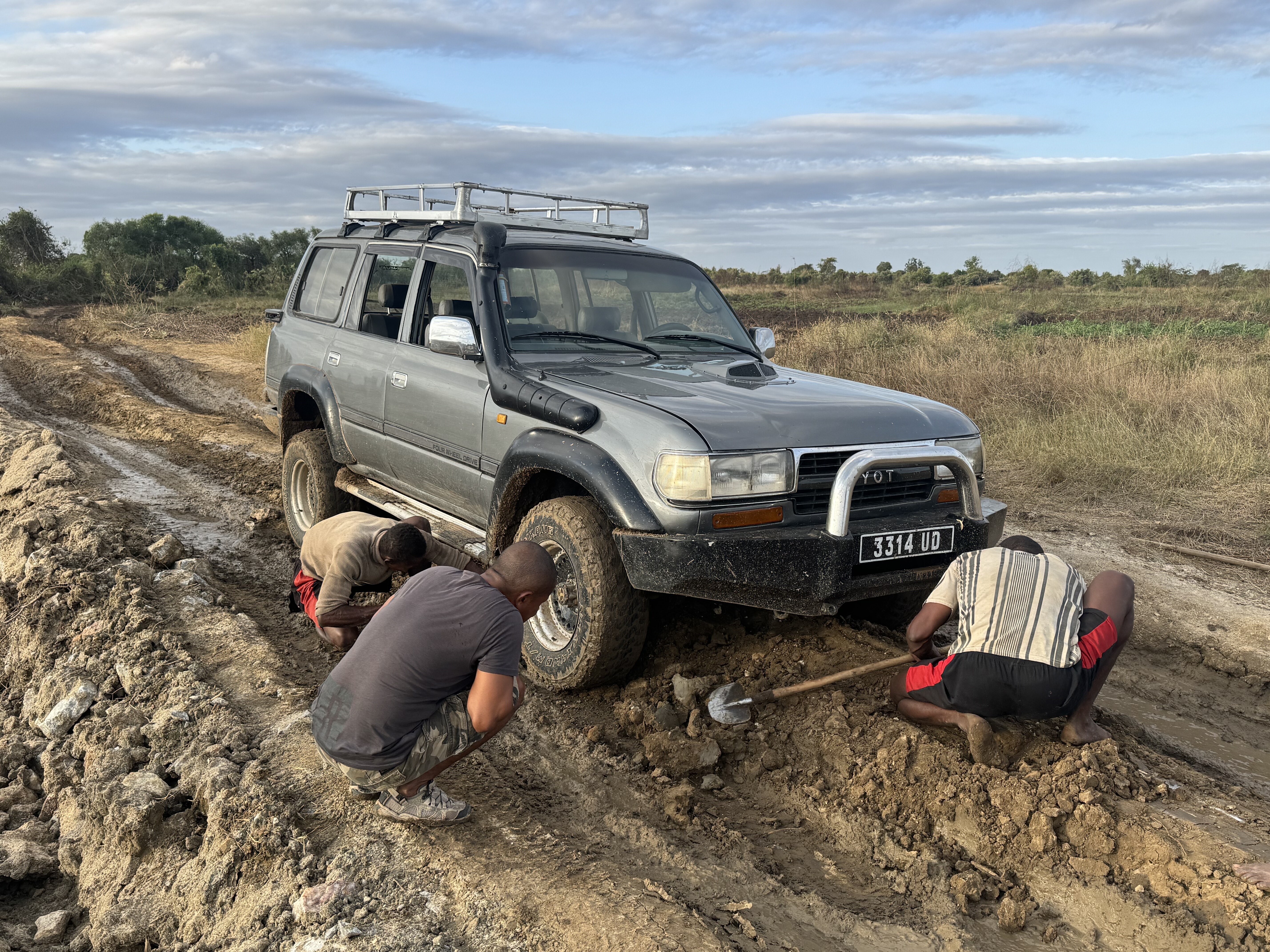
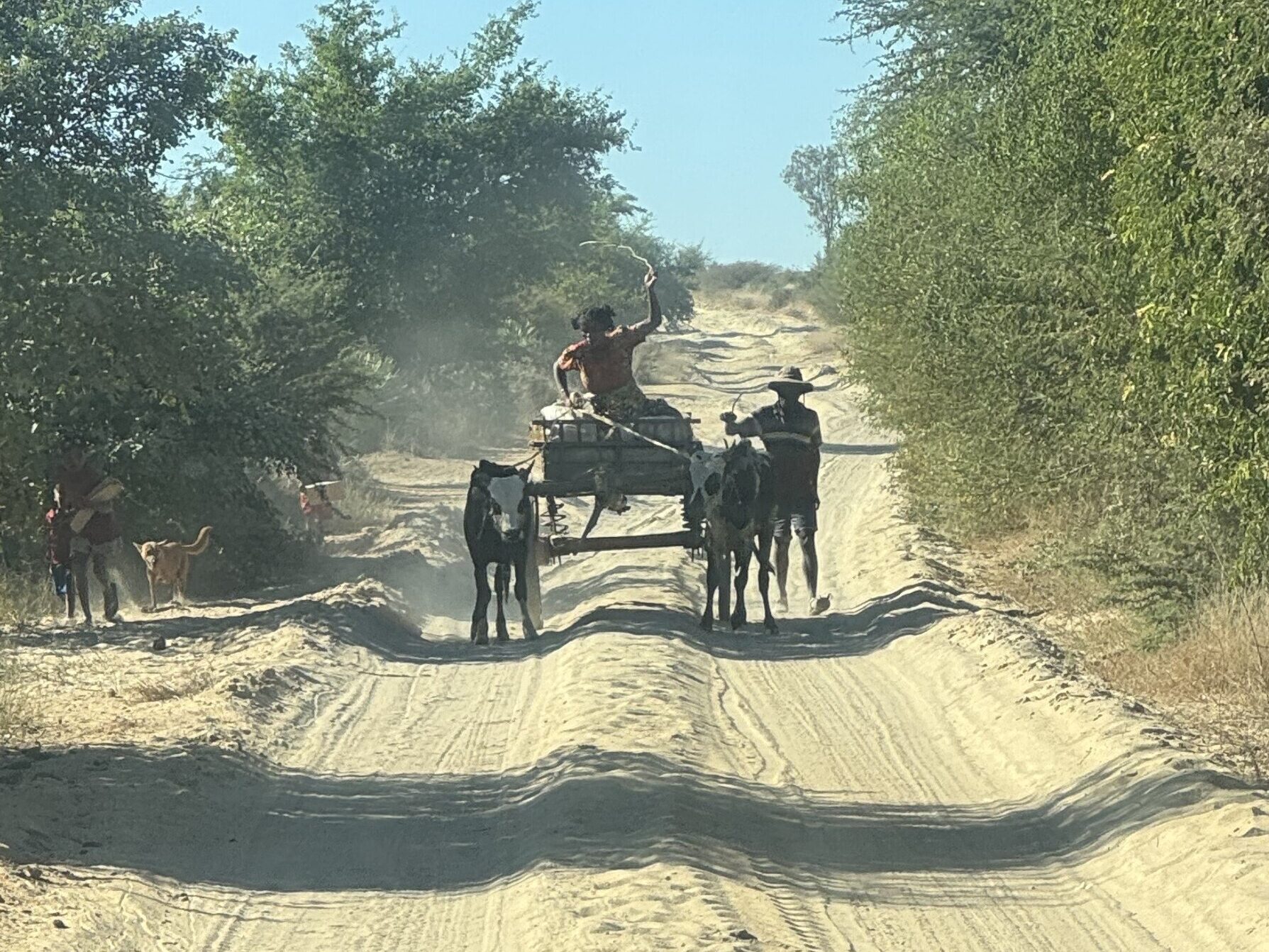
Travel in Madagascar is not easy. Roads are often unsealed, remote mining areas are difficult to access, and during cyclone season many routes become completely impassable.
Even in the dry season, what appears to be a short distance on a map can turn into an all-day journey. On one trip, a 300 km drive to a Labradorite mine took over 14 hours. This is the reality of sourcing at the origin—it requires patience, resilience, and a genuine commitment to the process.
But it is also where the magic happens.
Labradorite – The Stone of Transformation
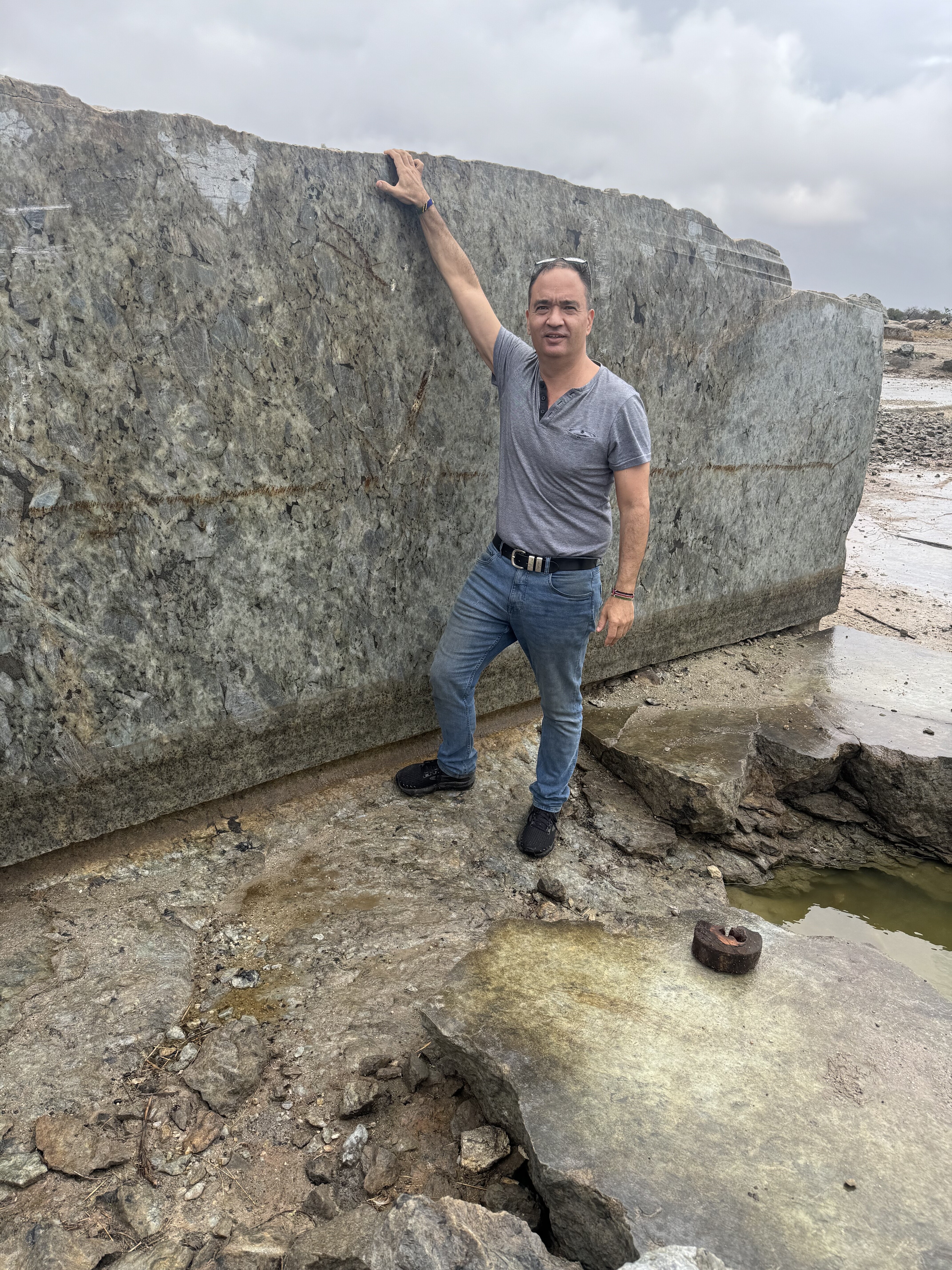
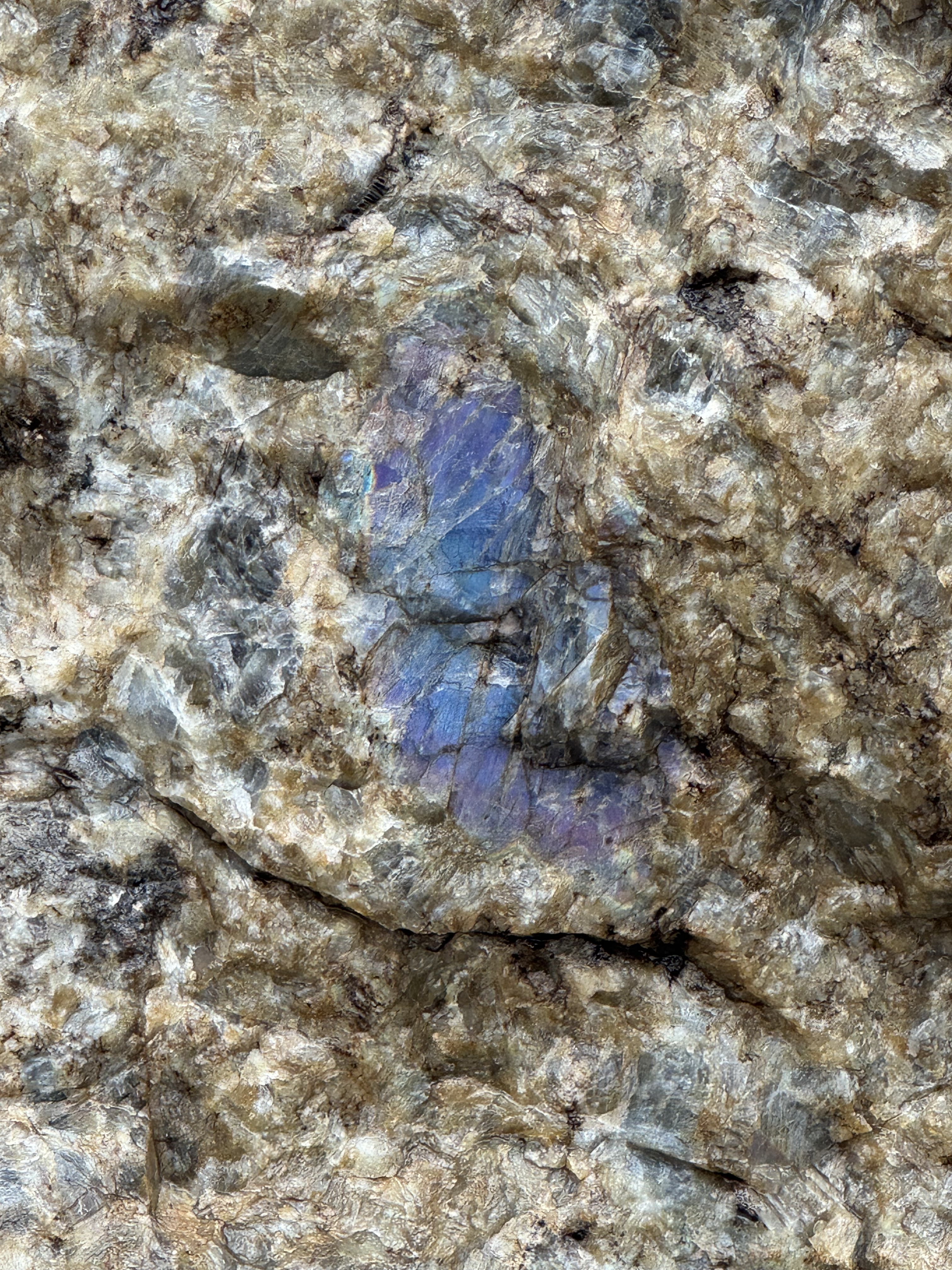
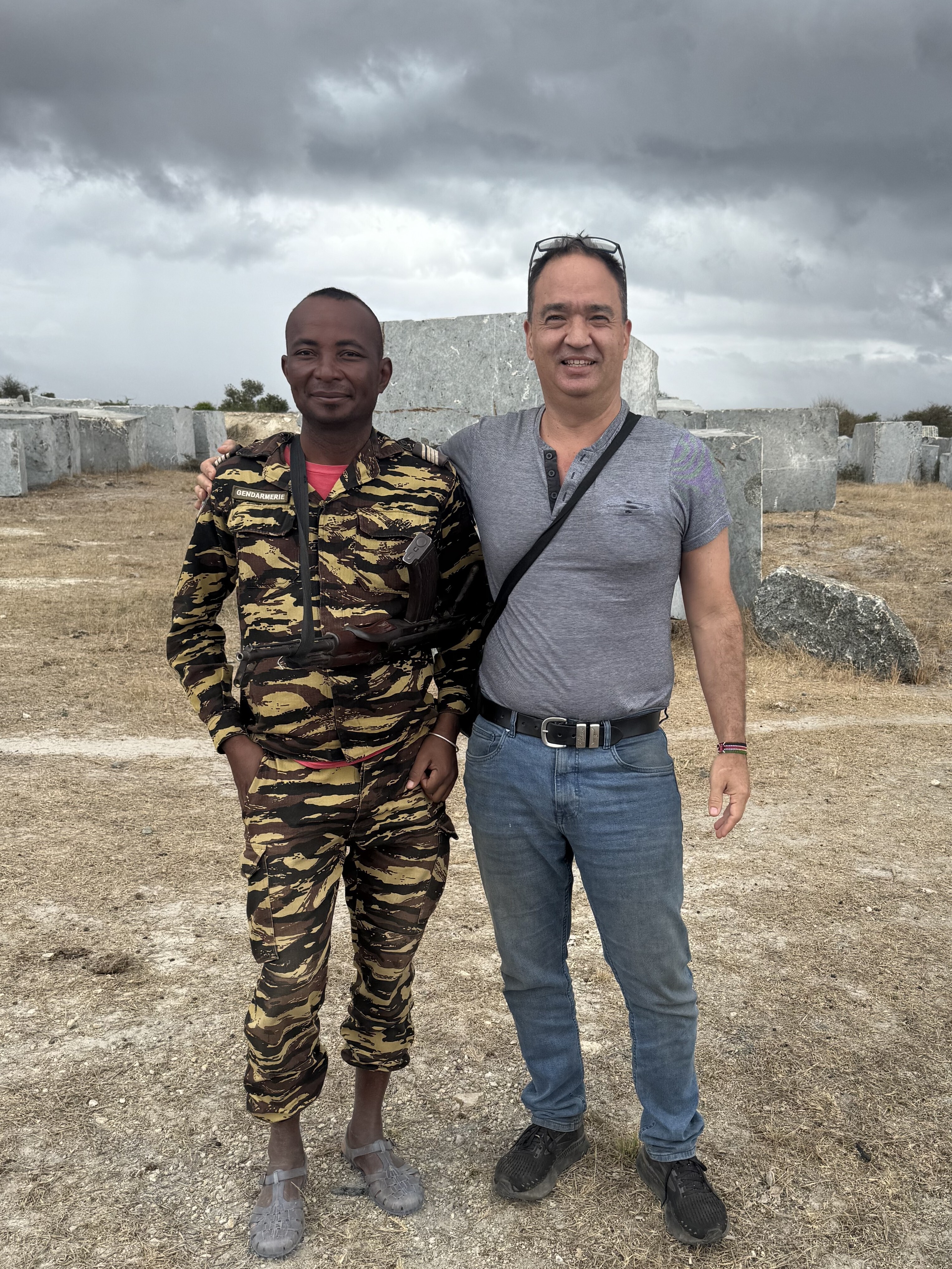
Arriving at the Labradorite mine was an unforgettable experience. Massive slabs and raw chunks of stone lay scattered across the site, shimmering in flashes of blue, green, gold, and even rare hues of purple and pink when they caught the light.
Madagascan Labradorite is considered some of the finest in the world due to its intense “labradorescence”—the optical effect that creates its glowing colours. Spiritually, Labradorite is often known as a stone of transformation and protection. It is believed to strengthen intuition, shield the aura, and help guide personal growth and change.
Standing there, surrounded by these stones in their raw form, you gain a deeper appreciation for their energy—before they are ever shaped or polished.
The Reality of Mining – A Human Story
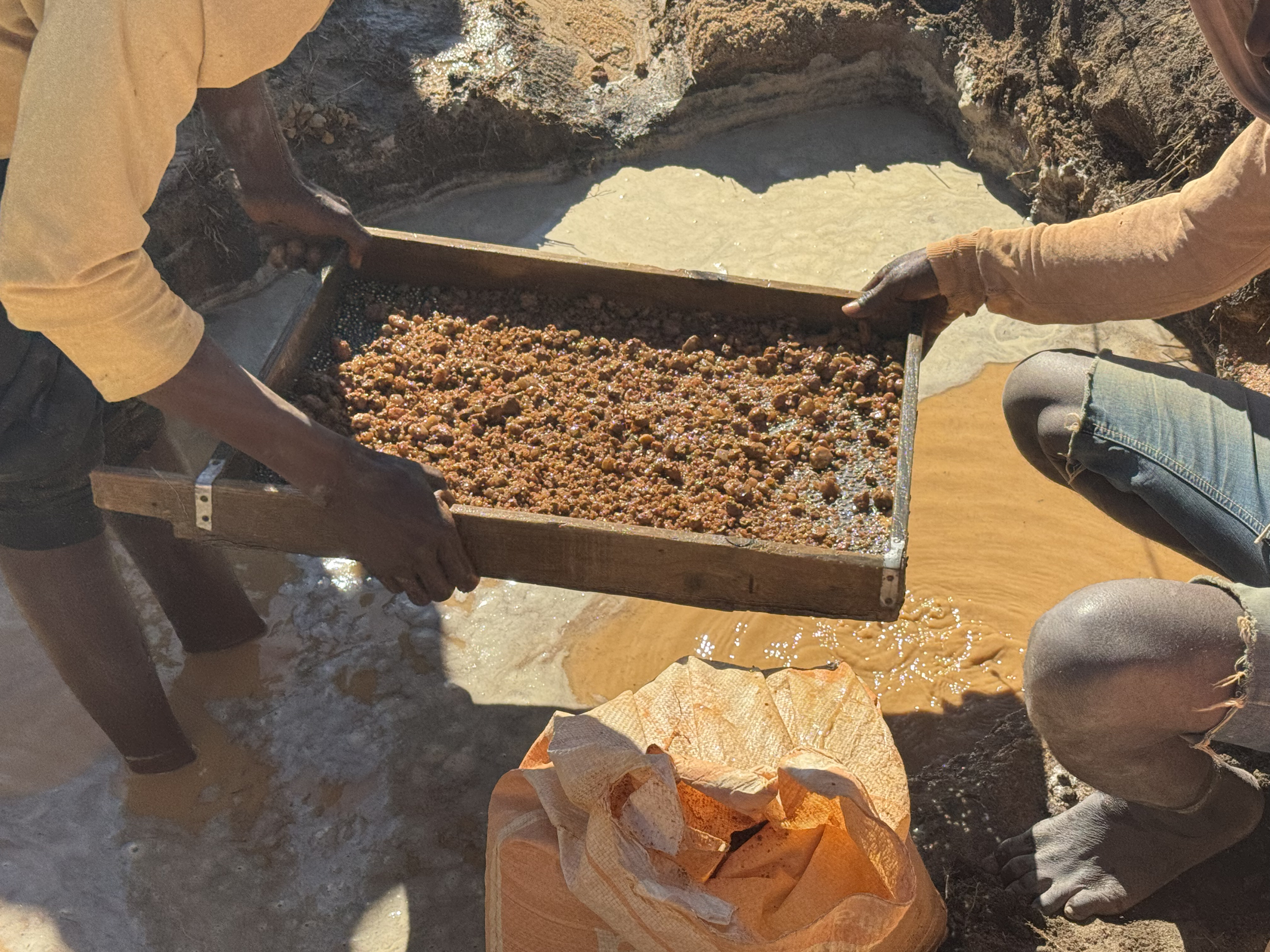
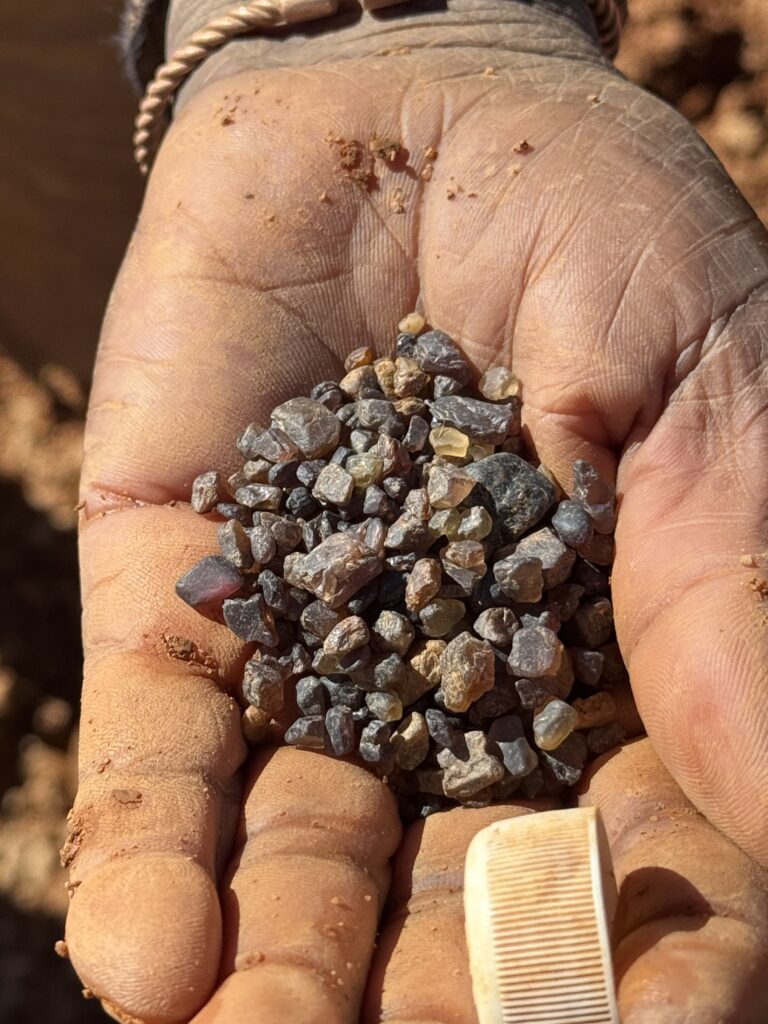
On the way back from the mine, Patrik witnessed what René described as a “sapphire rush”—a powerful reminder of how quickly life can change in Madagascar’s mining regions.
René explained that not long ago, this area had only two people quietly searching for gemstones. It was just another remote patch of land, largely unnoticed. But everything changed the moment sapphires were discovered.
Word spread quickly.
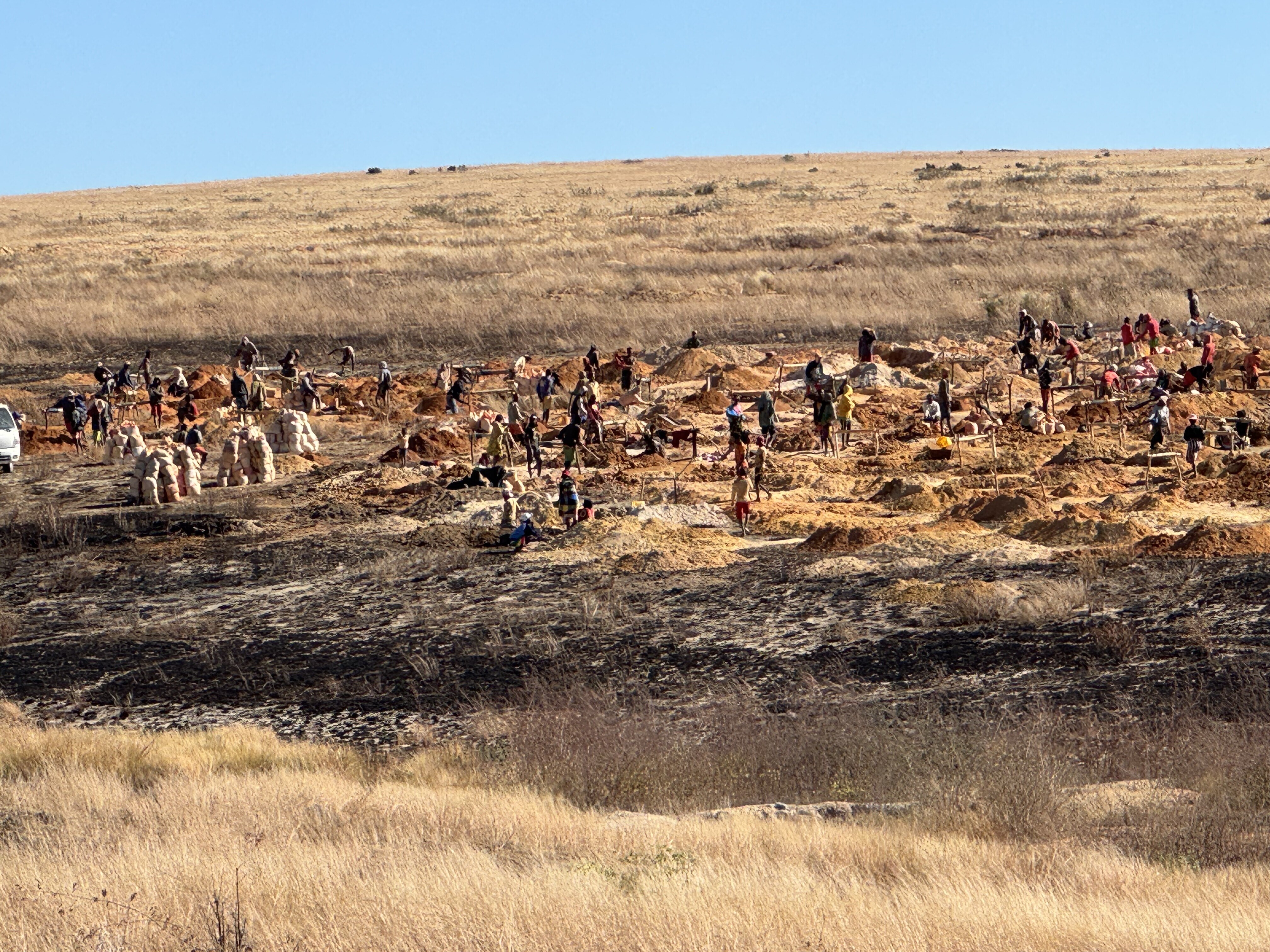
Within a short time, the area had transformed into a busy mining field, with nearly 70 people working there—each hoping to find their own piece of fortune. What was once still and empty had become full of movement, energy, and determination.
Mining here is still done using traditional methods. Workers dig deep vertical shafts by hand—sometimes reaching depths of over 15 metres—using basic tools like picks, shovels, and hammers. The excavated soil is then carefully sifted in search of sapphires and other precious stones.
There are no large machines, no advanced technology—just hard physical labour, patience, and hope.
It’s demanding work, often carried out in harsh conditions under the sun. But for many, it represents opportunity—the chance to provide for their families and improve their future.
Seeing this firsthand adds a deeper layer of meaning to every crystal—it is not just a product, but part of someone’s livelihood, effort, and hope.
Nature, Energy, and the “Tree of Life”
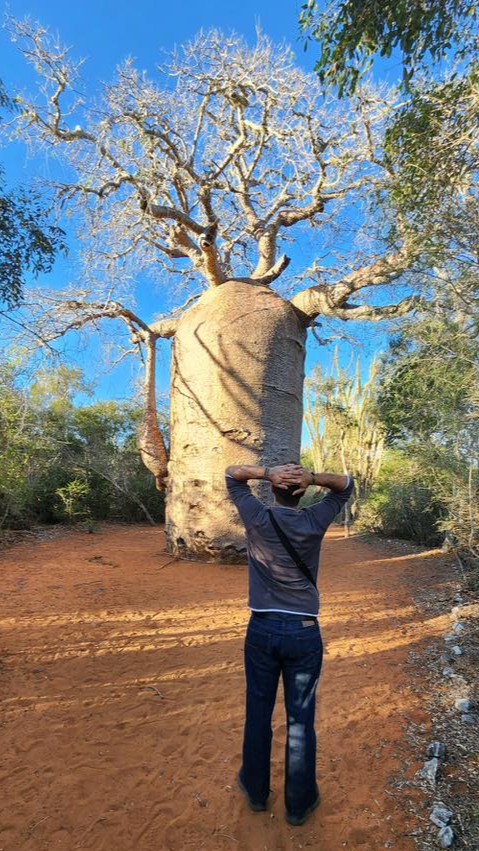
Beyond the mines, Madagascar offers a powerful connection to nature. Patrik visited the Baobab Forest in Zombitse-Vohibasia National Park, home to the iconic Baobab trees—often referred to as the “Tree of Life.”
These ancient trees can live for thousands of years and store up to 120,000 litres of water in their tree trunks. In a dry and often harsh environment, they provide food, shelter, and life to surrounding ecosystems.
Spiritually, the Baobab symbolises resilience, grounding, and connection. Its deep roots and expansive presence remind us of the importance of staying grounded while continuing to grow.
Experiencing this environment brings a new perspective—it highlights the deep relationship between nature, energy, and human life. It’s the same connection many people feel when working with crystals: grounding, balance, and alignment.
From Remote Mines to Skilled Hands
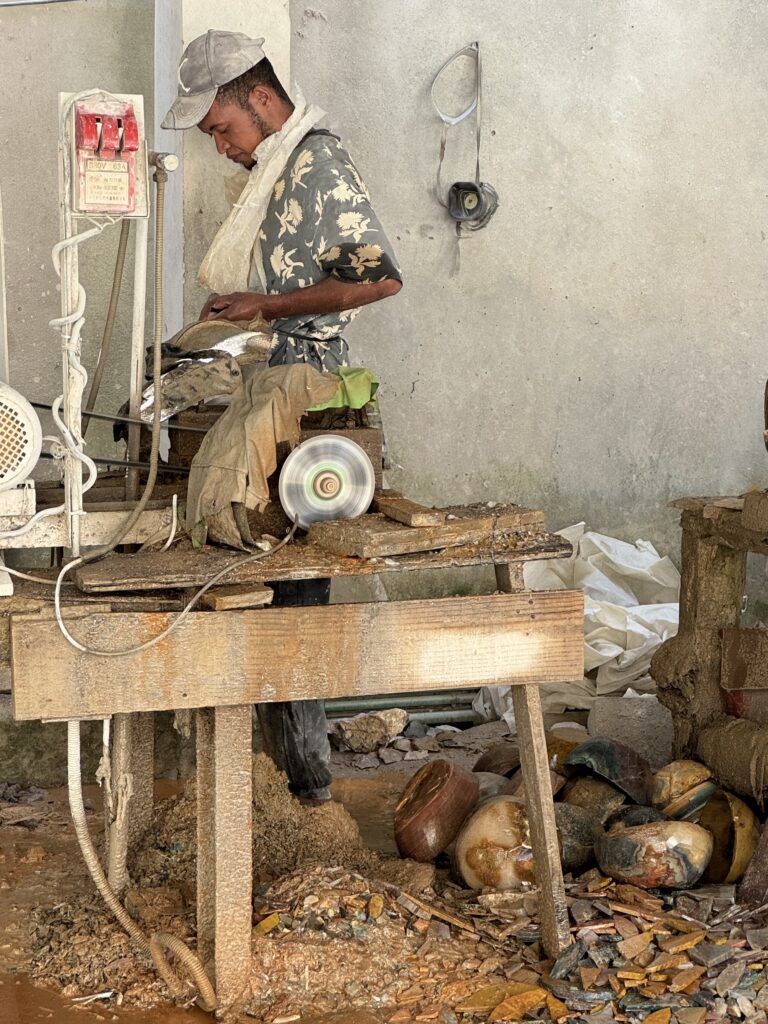
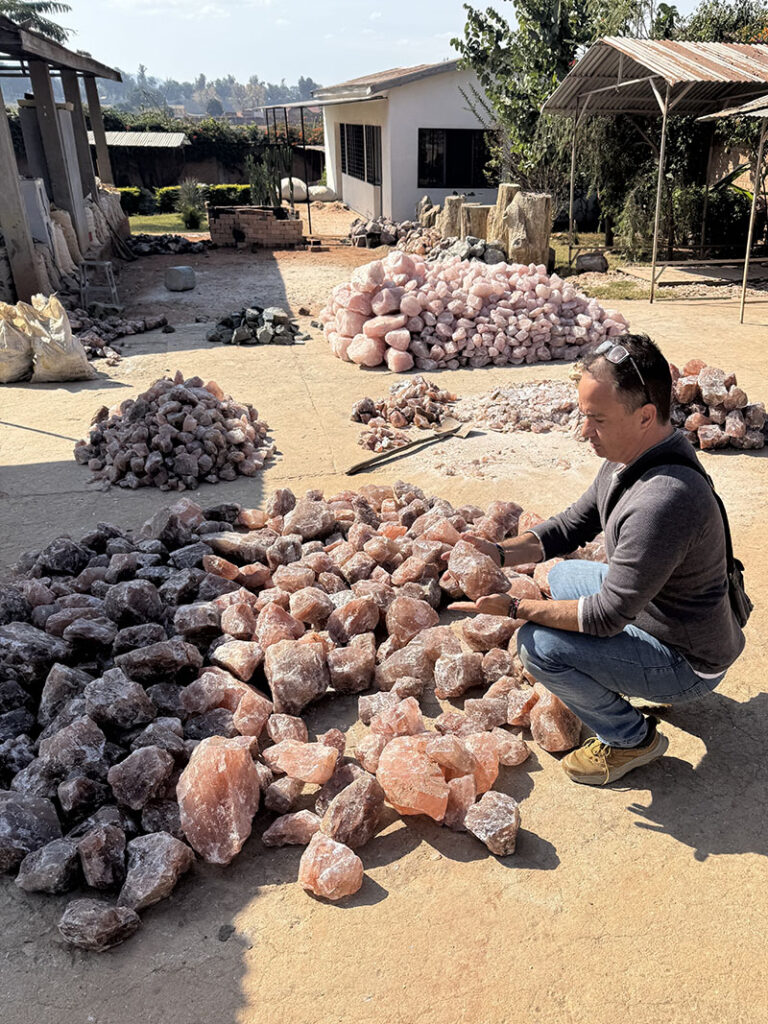
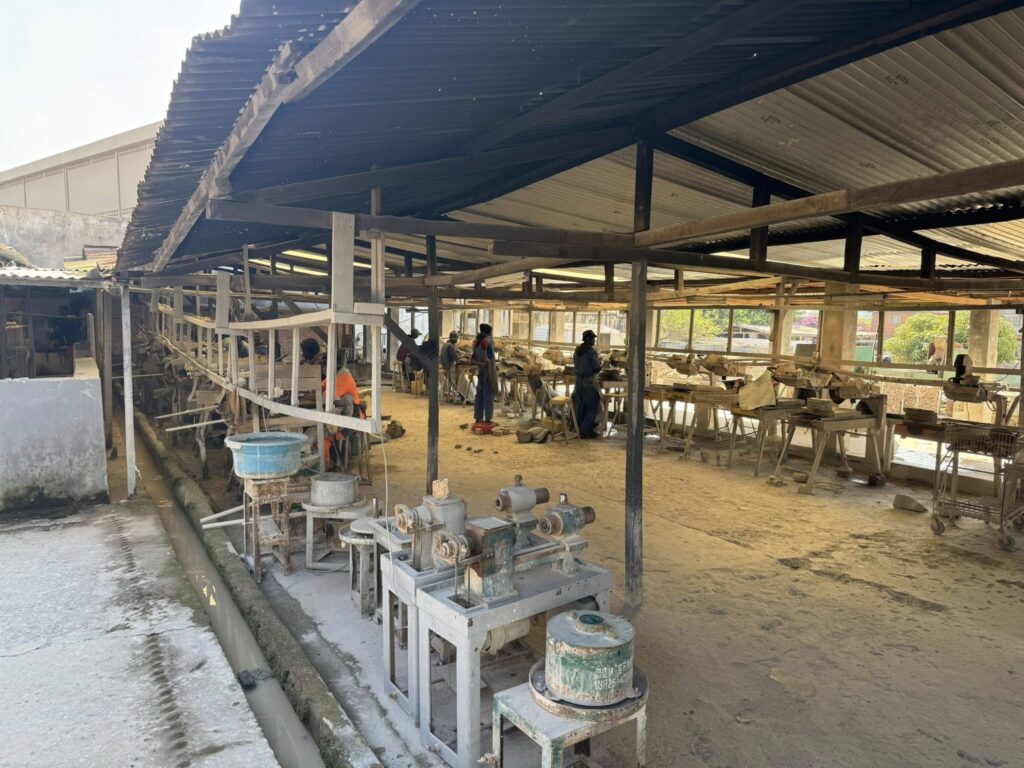
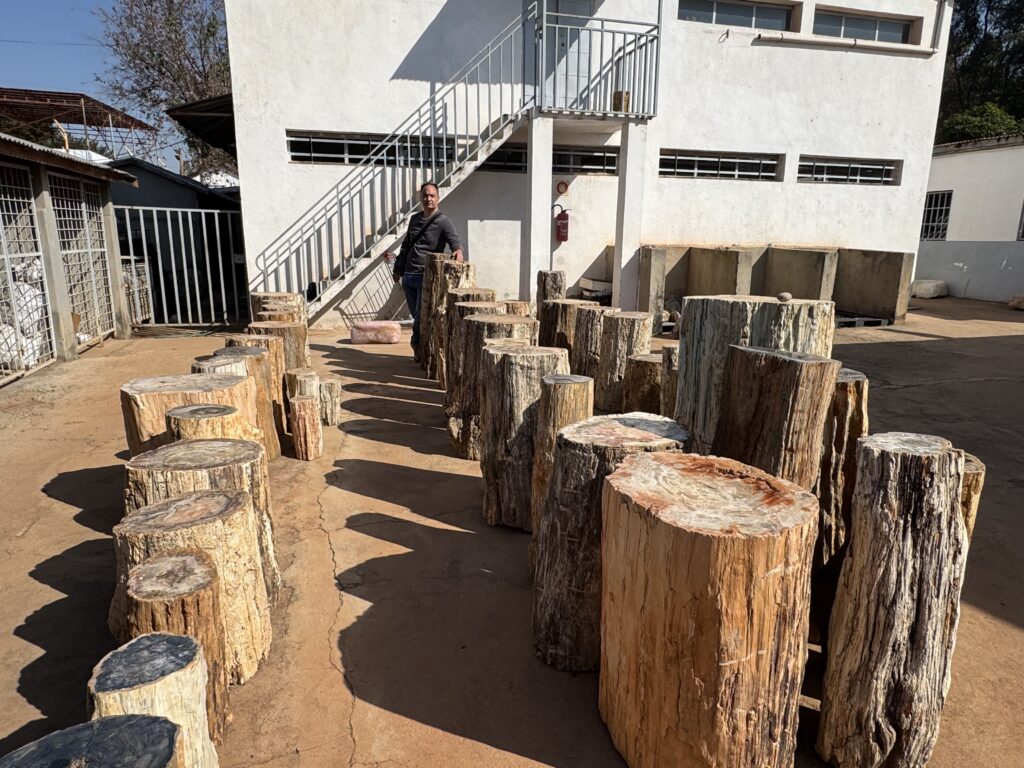
Back in the capital city, Antananarivo, Patrik explored local workshops and suppliers. Here, raw stones are transformed into the polished pieces we see in stores—spheres, hearts, flames, towers, carvings, and more.
Many of these workshops are small, family-run operations. Skilled artisans cut and polish each piece by hand, bringing out the natural beauty within each stone.
While communication was sometimes challenging due to language differences, the shared appreciation for crystals created a strong connection. It reinforced our commitment to supporting these communities and working directly wherever possible.
A Fortunate Encounter
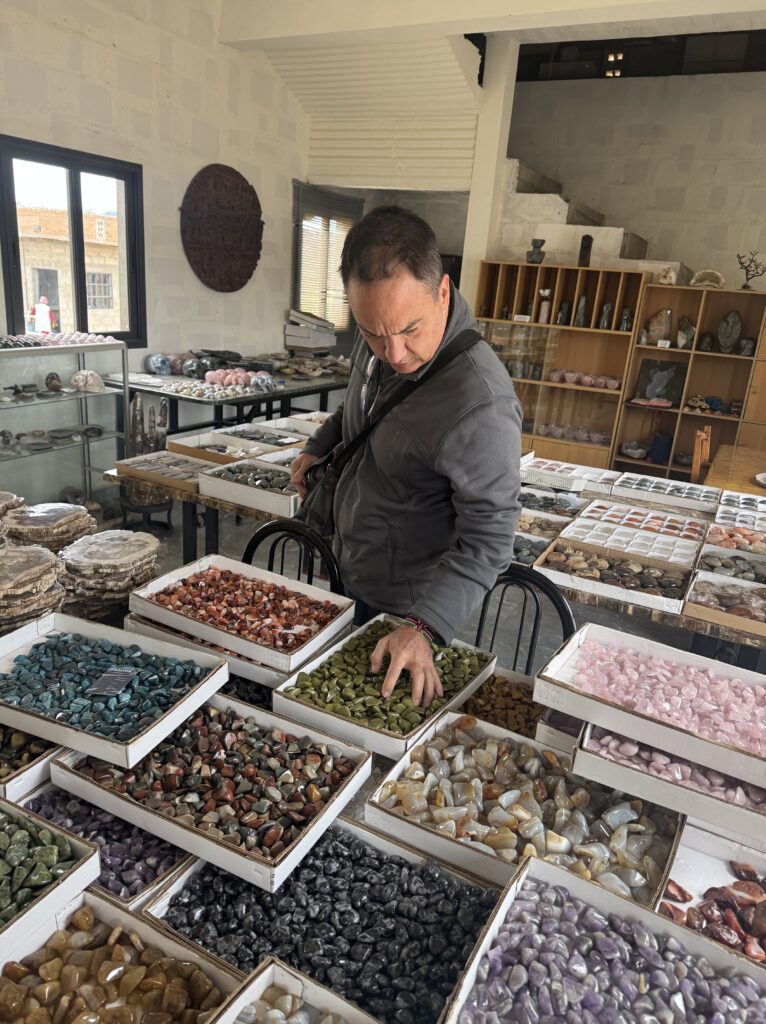
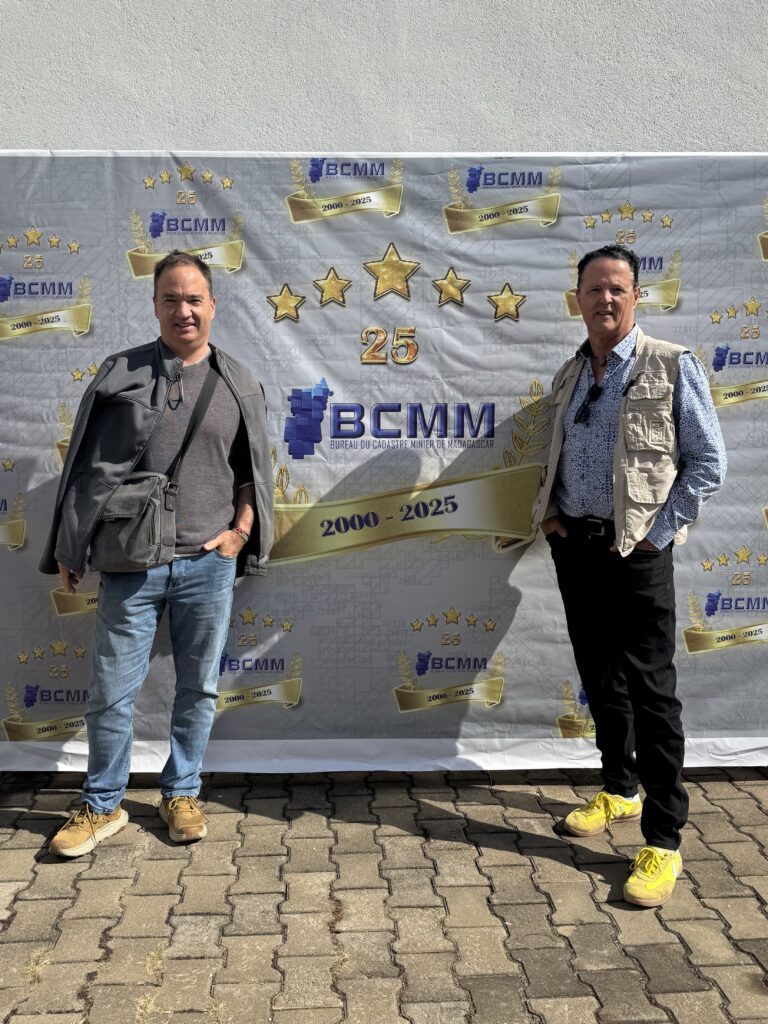
During the trip, there happened to be a local gem show in Antananarivo. This provided an incredible opportunity to meet a wider network of suppliers and small-scale factory owners.
These connections are invaluable—they allow us to source unique, high-quality pieces while ensuring authenticity and fair-trade practices.
Bringing Madagascar to You
We’re excited to share that our first shipment from Madagascar has now arrived at Crystal Factory.
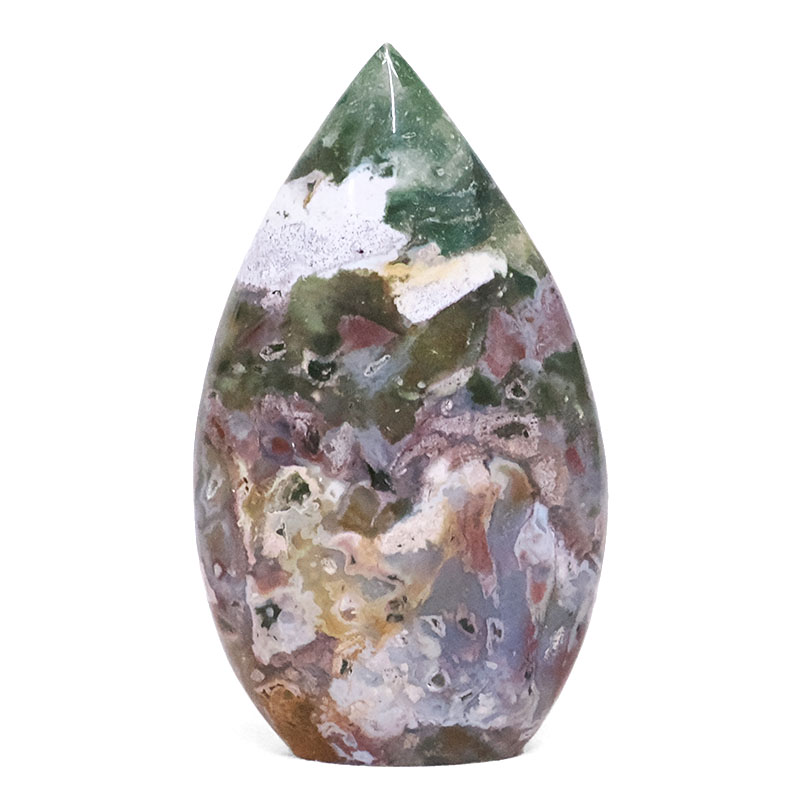
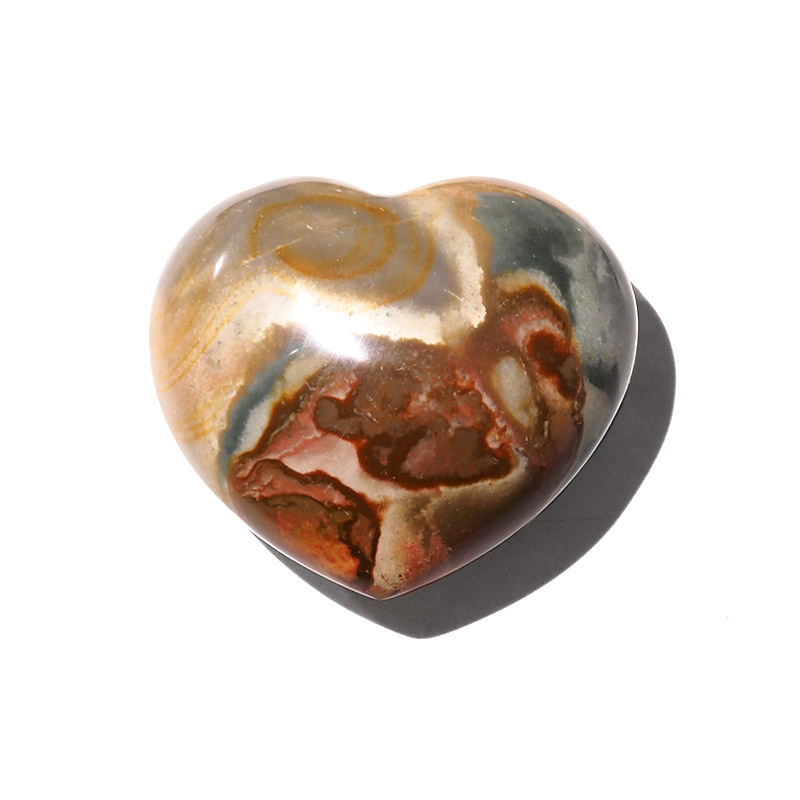
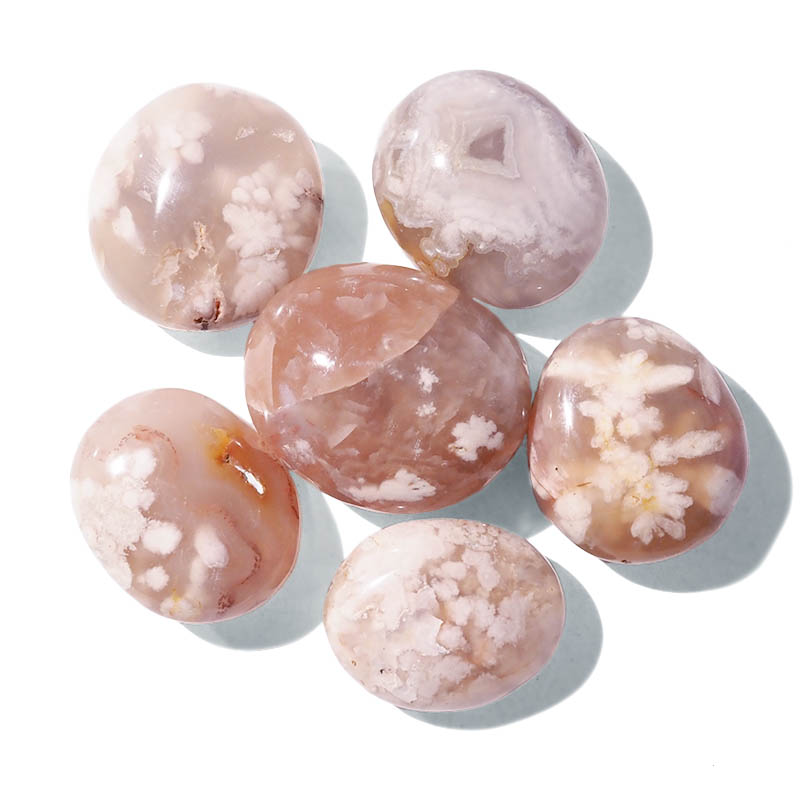
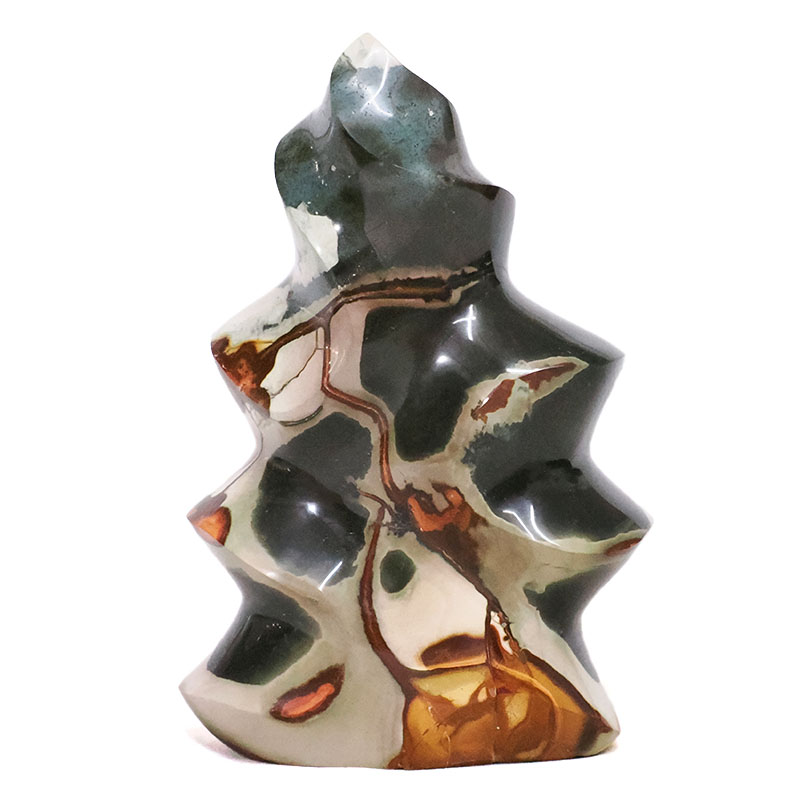
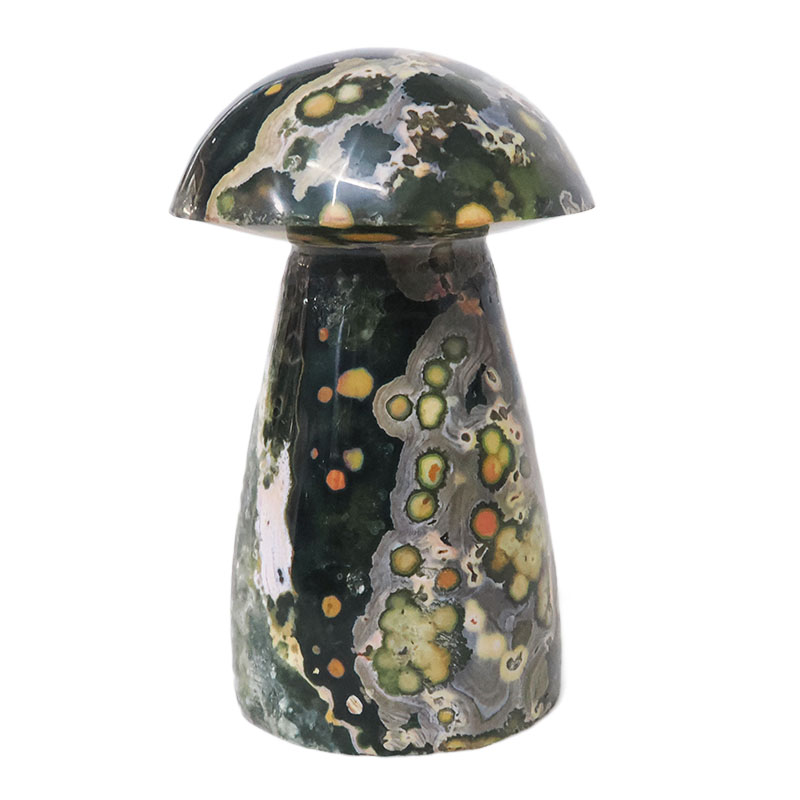
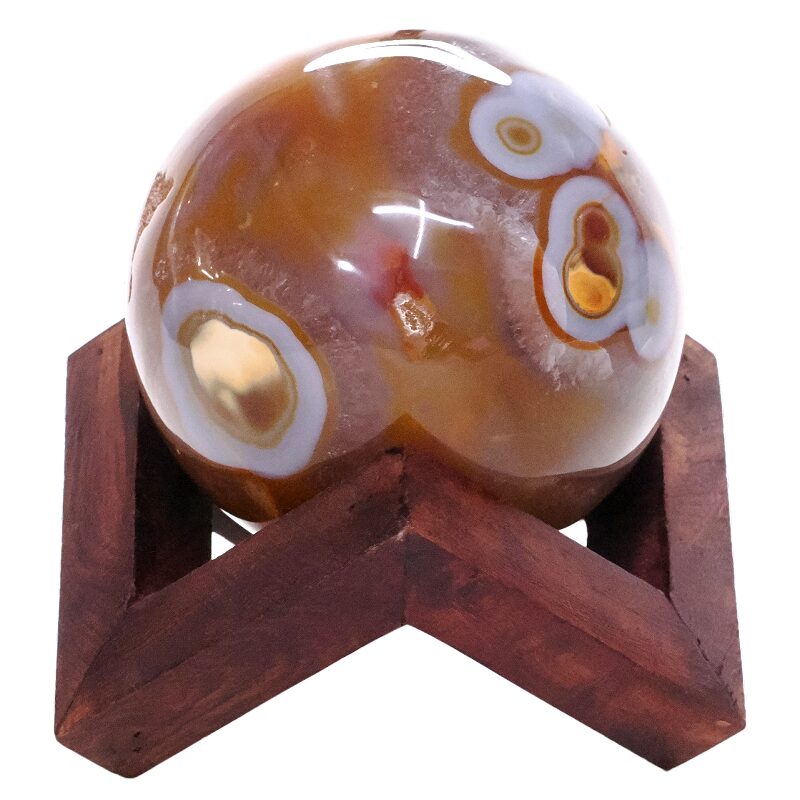
This collection includes a wide variety of crystals such as Rose Quartz, Jasper, Celestite, Agate, Moonstone, Labradorite, and Green Opal. Each piece has been carefully hand-selected and comes in a range of shapes including spheres, bowls, flames, hearts, terminated points, mushrooms, and teardrops.
Since arriving, the Madagascan collection has been incredibly popular and is already selling quickly. What makes these pieces so special is their individuality—no two are ever the same. Each crystal carries its own natural patterns, colours, and character, shaped by the earth over millions of years.
One of Patrik’s personal favourites from this collection is Ocean Jasper. Known for its vibrant and uplifting appearance, Ocean Jasper often displays a stunning mix of colours—greens, blues, pinks, yellows, and whites—along with distinctive orb patterns, banding, and occasional druzy features. These unique formations make each piece truly one of a kind.
Beyond its physical beauty, Ocean Jasper is also appreciated by many for its calming and nurturing energy. It is often associated with relaxation, emotional balance, and positive energy flow. Some people incorporate it into meditation, energy work, and crystal healing practices, valuing its connection to the ocean and its gentle, grounding presence.
Madagascan crystals as a whole are known not only for their beauty but also for their energy—often described as raw, earthy, and deeply connected to nature.
More Than Just Crystals
This journey reminded us that crystals are more than decorative pieces. They are part of a much larger story—formed over millions of years, shaped by nature, discovered by hand, and passed through many lives before reaching you.
When you hold a crystal from Madagascar, you are holding a piece of that journey.
And for us, that is what sourcing is truly about.